Written alongside the art

Books

Reference manuals and field guides by Kendall King. All of them are drafts, and each status is as of the last edit.

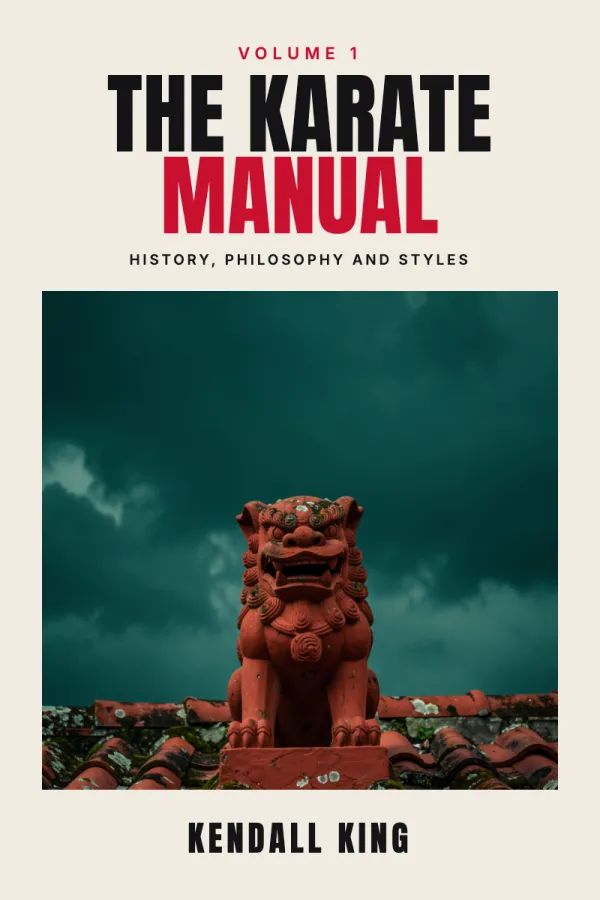
The Karate Manual, Volume 1 cover

The Karate Manual, Volume 1

The Karate Manual, Volume 1

Volume 1: History, Philosophy and Styles

First draft complete and reviewed for consistency. Preface details and pre-print fact checks still to do. ≈ 107,000 words

The first volume of a four-volume reference on karate. It follows the history from the Ryukyu Kingdom to the Olympic Games, explains the philosophy and etiquette of the dojo, and sets the major styles side by side before closing with a biographical dictionary of about 90 masters. A beginner gets the whole map, and an instructor gets a cross-style reference in one place.

  • Every history chapter sorts its claims into Documented, Oral tradition, Legend and Disputed
  • Tests the stories most dojos tell, from Bodhidharma to the weapons ban
  • Every style gets the same template and none is ranked above another
  • Biographical dictionary of about 90 masters, arranged by era
  • Japanese terms glossed with kanji on first use
Outline · 30 sections
  1. Preface: Why This Book
  2. How to Use This Manual
  3. A Note on Language

Part I: The Deep History of Karate

  1. Chapter 1: The Myths and the Record
  2. Chapter 2: The Ryukyu Kingdom
  3. Chapter 3: The Chinese Connection
  4. Chapter 4: The Weapons-Ban Question
  5. Chapter 5: The First Named Masters
  6. Chapter 6: The Three Te
  7. Chapter 7: Higaonna Kanryo and Fuzhou
  8. Chapter 8: Itosu Anko and Modern Karate
  9. Chapter 9: Karate Moves to Japan, 1917-1945
  10. Chapter 10: War and the Post-War Boom, 1945-1970
  11. Chapter 11: Sport Karate and the Global Era, 1970-Today

Part II: Philosophy, Ethics and Dojo Culture

  1. Chapter 12: Budo and Bujutsu
  2. Chapter 13: Mind Concepts
  3. Chapter 14: Etiquette (Reigi)
  4. Chapter 15: Karate Ethics Today

Part III: The Styles

  1. Chapter 16: Okinawan Styles
  2. Chapter 17: The Four Major Japanese Styles
  3. Chapter 18: Other Japanese Lineages
  4. Chapter 19: Full-Contact and Knockdown Karate
  5. Chapter 20: Western and Hybrid Offshoots
  6. Chapter 21: Style Comparison

Part XIV: Biographical Dictionary of Masters

  1. The Ryukyu Era
  2. Japan Before the War
  3. Post-War Builders
  4. The Modern Era and the Sport
  5. Historians and Authors
  6. Regional Pioneers
The Karate Manual, Volume 2 cover

The Karate Manual, Volume 2

The Karate Manual, Volume 2

Volume 2: Kihon, Kumite and Conditioning

First draft complete and reviewed for consistency. Awaiting the author's read and pre-print checks. ≈ 83,000 words

The technique volume of The Karate Manual. It starts with body mechanics, stances, strikes, blocks, kicks and grappling, moves through every major format of kumite from prearranged drills to knockdown, and finishes with conditioning, old and new. It works for any style.

  • Each style's version of a technique given side by side and labeled by style
  • Current WKF, JKA and knockdown rules, with the edition named
  • Traditional hojo undo tools set against what sports science has actually tested
  • Health and training claims cite the study and say how strong the evidence is
  • Technique chapters close with a Quick Reference for the mat
Outline · 21 sections
  1. About This Volume
  2. Training Safely

Part IV: Kihon, the Fundamentals

  1. Chapter 22: Body Mechanics
  2. Chapter 23: Stances (Dachi)
  3. Chapter 24: Hand Techniques
  4. Chapter 25: Blocks and Receiving
  5. Chapter 26: Kicks (Keri Waza)
  6. Chapter 27: Footwork and Movement
  7. Chapter 28: Throws, Takedowns, Locks and Vital Points
  8. Chapter 29: Kihon Training Methods

Part VII: Kumite, Sparring in All Its Forms

  1. Chapter 45: Prearranged Kumite
  2. Chapter 46: Free Sparring Fundamentals
  3. Chapter 47: Sport Kumite
  4. Chapter 48: Shobu Ippon and Traditional Rules
  5. Chapter 49: Knockdown and Full Contact
  6. Chapter 50: Other Formats
  7. Chapter 51: Building a Fighter

Part IX: Conditioning and Hojo Undo

  1. Chapter 55: Traditional Tools
  2. Chapter 56: Body Toughening (Kitae)
  3. Chapter 57: Modern Strength and Conditioning for Karateka
  4. Chapter 58: Nutrition, Weight Classes and Recovery
The Karate Manual, Volume 3 cover

The Karate Manual, Volume 3

The Karate Manual, Volume 3

Volume 3: Kata and Bunkai

First draft complete. Full consistency review not yet done. ≈ 119,000 words

An encyclopedia of karate kata across the major Okinawan and Japanese styles, grouped by family, followed by a practical guide to bunkai, the reading of kata as fighting skill. Each entry covers names, lineage, versions across styles, floor pattern, sequence and applications. It is for anyone who wants to know where their forms came from and what they might mean.

  • Full numbered sequences printed only where two or more sources agree, with outlines everywhere else
  • Kata grouped by family across styles, such as Pinan and Heian, Naihanchi and Tekki, Passai and Bassai
  • Every kata entry follows the same template, from origins to common faults
  • Competing bunkai methods set side by side and credited to the people who proposed them
  • Partner drills and karate grappling to make applications work on a real person
Outline · 16 sections
  1. About This Volume

Part V: The Kata Encyclopedia

  1. Chapter 30: What Kata Is
  2. Chapter 31: The Kata Entry Template
  3. Chapter 32: Foundation Kata
  4. Chapter 33: Advanced Shuri-te and Tomari-te Kata
  5. Chapter 34: Naha-te and Goju-ryu Kata
  6. Chapter 35: Shito-ryu's Wider Catalogue
  7. Chapter 36: Uechi-ryu, Isshin-ryu and Ryuei-ryu Kata
  8. Chapter 37: Kyokushin and Full-Contact Kata
  9. Chapter 38: Competition Kata
  10. Chapter 39: Style Syllabi

Part VI: Bunkai and Applied Karate

  1. Chapter 40: Terms and Levels
  2. Chapter 41: Principles for Reading Kata
  3. Chapter 42: Bunkai by Kata Family
  4. Chapter 43: Partner Drills
  5. Chapter 44: Karate Grappling
The Karate Manual, Volume 4 cover

The Karate Manual, Volume 4

The Karate Manual, Volume 4

Volume 4: Weapons, Rank, Teaching and the Sport

First draft complete, appendices included. Full consistency review not yet done. ≈ 123,000 words

The closing volume of The Karate Manual covers everything around the training. That means Okinawan weapons, rank and titles, teaching, the competition sport and the Olympics, plus self-defense and health checked against the evidence. Ten appendices make up the series reference shelf, from a 642-entry glossary to sample syllabi and an organizations directory.

  • Tests the disarmed-farmer origin story of kobudo against the evidence
  • Explains where kyu and dan grades came from and how to recognize rank fraud
  • Teaching chapters built on motor-learning research, with sections by age group and for inclusive classes
  • Self-defense law compared across countries on several continents
  • Health claims graded plainly, from solid trials to no evidence at all
Outline · 30 sections
  1. About This Volume

Part VIII: Kobudo, the Weapons of Okinawa

  1. Chapter 52: Kobudo and Karate
  2. Chapter 53: The Weapons
  3. Chapter 54: Empty Hand Inside the Weapon

Part X: Rank and Titles

  1. Chapter 59: The Kyu/Dan System
  2. Chapter 60: Belt Colors by Style and Country
  3. Chapter 61: Titles
  4. Chapter 62: Preparing for Grading

Part XI: Teaching Karate

  1. Chapter 63: Teaching Method
  2. Chapter 64: Teaching by Age Group
  3. Chapter 65: Inclusive Karate
  4. Chapter 66: Running a Dojo

Part XII: Competition and the Sport

  1. Chapter 67: The Competition Structure
  2. Chapter 68: Sport Kata
  3. Chapter 69: Officiating
  4. Chapter 70: Running a Tournament
  5. Chapter 71: The Olympic Story in Full

Part XIII: Self-Defense, Health and the Long Game

  1. Chapter 72: Real-World Self-Defense
  2. Chapter 73: Karate and Health Research
  3. Chapter 74: A Lifetime in Karate
  1. Appendix A: Glossary
  2. Appendix B: Japanese for the Dojo
  3. Appendix C: Master Timeline
  4. Appendix D: Lineage Charts
  5. Appendix E: Kata Cross-Reference
  6. Appendix F: Technique Index
  7. Appendix G: Rules Digests
  8. Appendix H: Sample Syllabi
  9. Appendix I: Dojo Starter Kit
  10. Appendix J: Organizations Directory
The Wing Chun Manual cover

Nonfiction

The Wing Chun Manual

First draft complete. Cantonese, legal and fact checks still needed before print. ≈ 280,000 words

A single-volume reference to Wing Chun for readers anywhere in the world. It runs from the history and legends through every major lineage, the forms and the wooden dummy, chi sau, sparring and weapons, then on to rank, teaching, competition and health. A biographical dictionary, appendices and an index close it out. Every lineage gets a fair hearing.

  • History claims labeled Documented, Oral tradition, Legend or Disputed
  • No lineage treated as the only genuine Wing Chun
  • Technical chapters close with Where the Lineages Differ
  • Siu Nim Tau and Chum Kiu printed move by move, with lineage versions where they differ
  • Cantonese terms given with Chinese characters and Jyutping
Outline · 61 sections
  1. Preface
  2. How to Use This Manual
  3. A Note on Language
  4. Safety and Medical Note
  5. Map of the Pearl River Delta
  6. Master Timeline

Part I: History

  1. Chapter 1: The Founding Legend
  2. Chapter 2: Southern China under the Qing
  3. Chapter 3: The Red Boats
  4. Chapter 4: Leung Jan and the Foshan Generation
  5. Chapter 5: Ip Man
  6. Chapter 6: Hong Kong, 1950-1972
  7. Chapter 7: The Global Spread

Part II: Philosophy and Culture

  1. Chapter 8: The Kuen Kuit
  2. Chapter 9: The Kung Fu Family
  3. Chapter 10: Ethics Today

Part III: The Lineages

  1. Chapter 11: The Ip Man Family
  2. Chapter 12: The Other Foshan and Guangzhou Lines
  3. Chapter 13: Claimed and Outlying Lineages
  4. Chapter 14: The Lineage Comparison

Part IV: Fundamentals

  1. Chapter 15: Structure and the Stance
  2. Chapter 16: Centerline, Facing and the Gates
  3. Chapter 17: The Hand Techniques
  4. Chapter 18: Punching and Striking
  5. Chapter 19: Footwork and Kicking

Part V: The Forms

  1. Chapter 20: How the Forms Teach
  2. Chapter 21: Siu Nim Tau
  3. Chapter 22: Chum Kiu
  4. Chapter 23: Biu Ji
  5. Chapter 24: The Wooden Dummy

Part VI: Chi Sau and the Bridge

  1. Chapter 25: Dan Chi Sau and Poon Sau
  2. Chapter 26: The Drills
  3. Chapter 27: Free Chi Sau
  4. Chapter 28: From the Bridge to the Fight

Part VII: Sparring

  1. Chapter 29: Sparring Formats
  2. Chapter 30: Wing Chun against Other Styles
  3. Chapter 31: The Effectiveness Debate

Part VIII: Weapons

  1. Chapter 32: The Long Pole
  2. Chapter 33: The Butterfly Swords

Part IX: Conditioning

  1. Chapter 34: Conditioning

Part X: Rank and Progression

  1. Chapter 35: Curricula and Grading

Part XI: Teaching

  1. Chapter 36: Teaching the Foundations
  2. Chapter 37: Teaching Contact

Part XII: Competition

  1. Chapter 38: Chi Sau and Sparring Competitions

Part XIII: Self-Defense and Health

  1. Chapter 39: Self-Defense
  2. Chapter 40: Health

Part XIV: Biographical Dictionary

  1. Legendary Founders and the Opera Performers
  2. The Foshan Generation
  3. Ip Man and His Students
  4. The Other Lineages
  5. Modern Teachers Worldwide
  6. The Historians
  1. Appendix A: Glossary
  2. Appendix B: The Kuen Kuit
  3. Appendix C: Lineage Charts
  4. Appendix D: Form Sequence Tables
  5. Appendix E: Building or Buying a Wooden Dummy
  6. Appendix F: Sample Training Plans
  7. Appendix G: Organizations and How to Verify a Lineage
  8. Annotated Bibliography
  9. Index
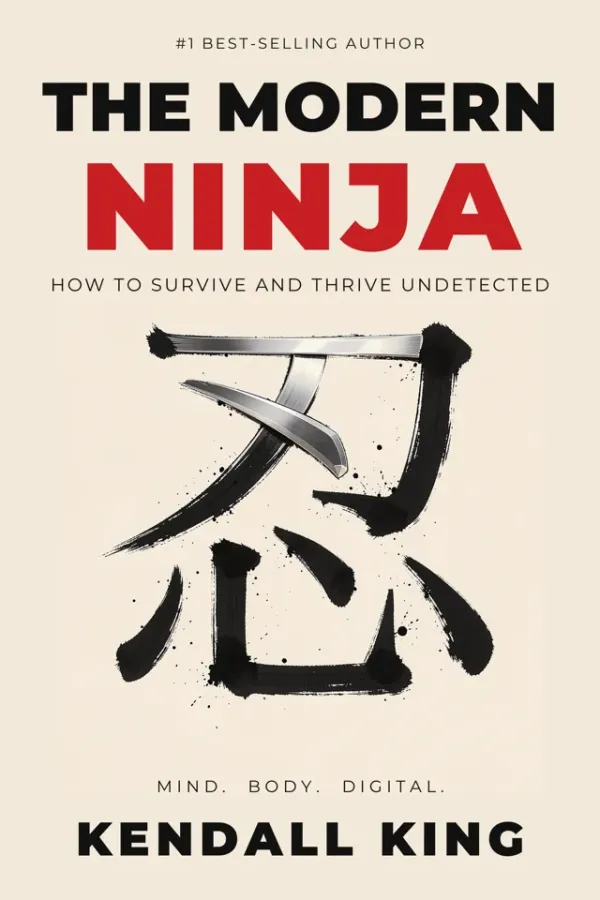
The Modern Ninja cover

Nonfiction

The Modern Ninja

How to Survive and Thrive Undetected

Second draft complete after a rhythm and continuity pass. Not yet read line by line. ≈ 97,000 words

A first-person guide to staying capable and hard to target in modern life. The model is the historical ninja as spy and scout, not the assassin in black from the movies. It works through the myths, the body, the mind and the digital shadow, and ends with a survival toolkit and a 90-day blueprint for anyone who wants to protect their family within the law.

  • Clears away the myths first, from the ninja in black to the disarmed farmers
  • Why a walking stick carried as a walking stick is legal
  • Awareness and stress inoculation come before any fight
  • Privacy as protection from criminals and data brokers, never from a lawful investigation
  • Evidence named in the prose, with a 90-day blueprint to put it into practice
Outline · 17 sections
  1. Preface: The Blade Over the Heart
  2. Introduction: Trapped in Paradise

Part One: The Myth

  1. Chapter 1: What a Ninja Actually Was
  2. Chapter 2: The Belt Factory
  3. Chapter 3: Disarmed

Part Two: The Body

  1. Chapter 4: Not a Weapon. A Walking Stick.
  2. Chapter 5: Your Voice Is Your First Weapon
  3. Chapter 6: Stress Inoculation
  4. Chapter 7: Build a Body That Can Leave

Part Three: The Mind

  1. Chapter 8: Stoicism Is Not Enough
  2. Chapter 9: The Back Catalogue
  3. Chapter 10: The Gray Man

Part Four: The Digital Shadow

  1. Chapter 11: Vanish
  2. Chapter 12: Build Your Own Dojo

Part Five: The Way

  1. Chapter 13: The Survival Toolkit
  2. The Modern Ninja Blueprint
  1. Afterword: Keep the Blade Sheathed